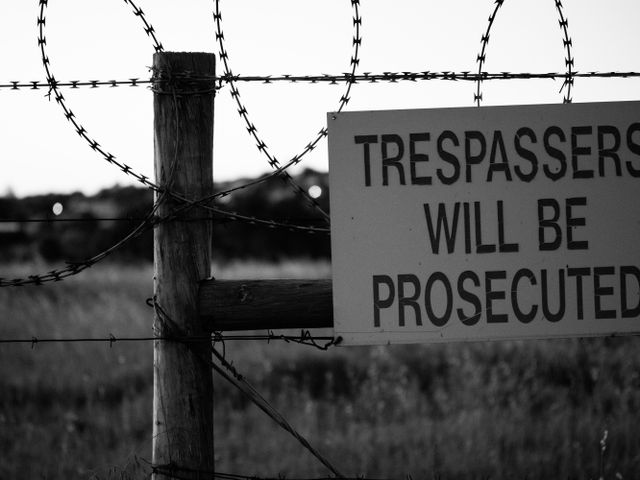
Attorney for Criminal Trespass Charges in Firestone: What Is Trespassing in Colorado?
Colorado law treats Trespassing as entering or remaining on property without permission. The offense is divided into several levels depending on the type of property and the circumstances. First Degree Criminal Trespass (C.R.S. 18-4-502) involves unlawfully entering a dwelling or a motor vehicle with intent to commit a crime inside. Second Degree Criminal Trespass (C.R.S. 18-4-503) covers knowingly entering or remaining unlawfully in a building, a fenced yard, or other specified places. Third Degree Criminal Trespass (C.R.S. 18-4-504) applies to entering or remaining on premises that are posted or fenced.
Weld County Trespassing Layer: Is Trespassing a Felony or Misdemeanor in Colorado?
Most Trespass charges are misdemeanors, but the classification varies:
- First Degree Trespassing: class 1 misdemeanor in most cases, otherwise a class 6 felony depending on the facts
- Second Degree Trespass: petty offense, which rises to a class 5 felony if certain factors are in place
- Third Degree Criminal Trespass: petty offense or class 5 or 6 felony depending on the aggravating factors that apply
Because the specific degree depends on the allegations, the potential consequences can differ widely.
What Are the Penalties for Trespassing in Weld County? A Greeley Trespass Attorney Explains
Penalties depend on the charge level and can include jail time, fines, probation, restitution for damage, and a criminal record. Even a misdemeanor conviction can show up on background checks and affect employment, housing, and professional licensing.
How Are Trespass Cases Handled in Greeley?
Cases arising in Greeley and surrounding Weld County are prosecuted by the Weld County District Attorney’s Office, and held at the Weld County Courthouse. Many people are cited on the spot and given a court date, so a ticket will be filed and become a criminal case.
Frequently Asked Questions about Trespassing in Colorado
Can I be charged with Trespassing without being arrested?
Yes. Many trespass charges begin with a summons or citation.
Does Trespassing require breaking in?
No. Remaining on property after being told to leave can be enough.
Will a Trespassing conviction show up on a background check?
It can, depending on the charge and the type of check.
Should I talk to police before consulting an attorney?
No. You have the right to remain silent and the right to counsel.
If you’ve been charged with Trespassing, be smart, exercise your right to remain silent and contact the best criminal defense attorneys from the O’Malley Law Office at 970-616-6009 to schedule a free initial consultation. Together, we can protect your future.
Photo by Ryan Lansdown